Rented audience, owned list: Instagram ads vs your own members for a Canadian shop
Instagram ads rent an audience Meta keeps; a post reaches about 3% of followers. The owned-list math for a shop, and what instant rewards on trovy do instead.

- Published
- Reading time
- 8 minutes

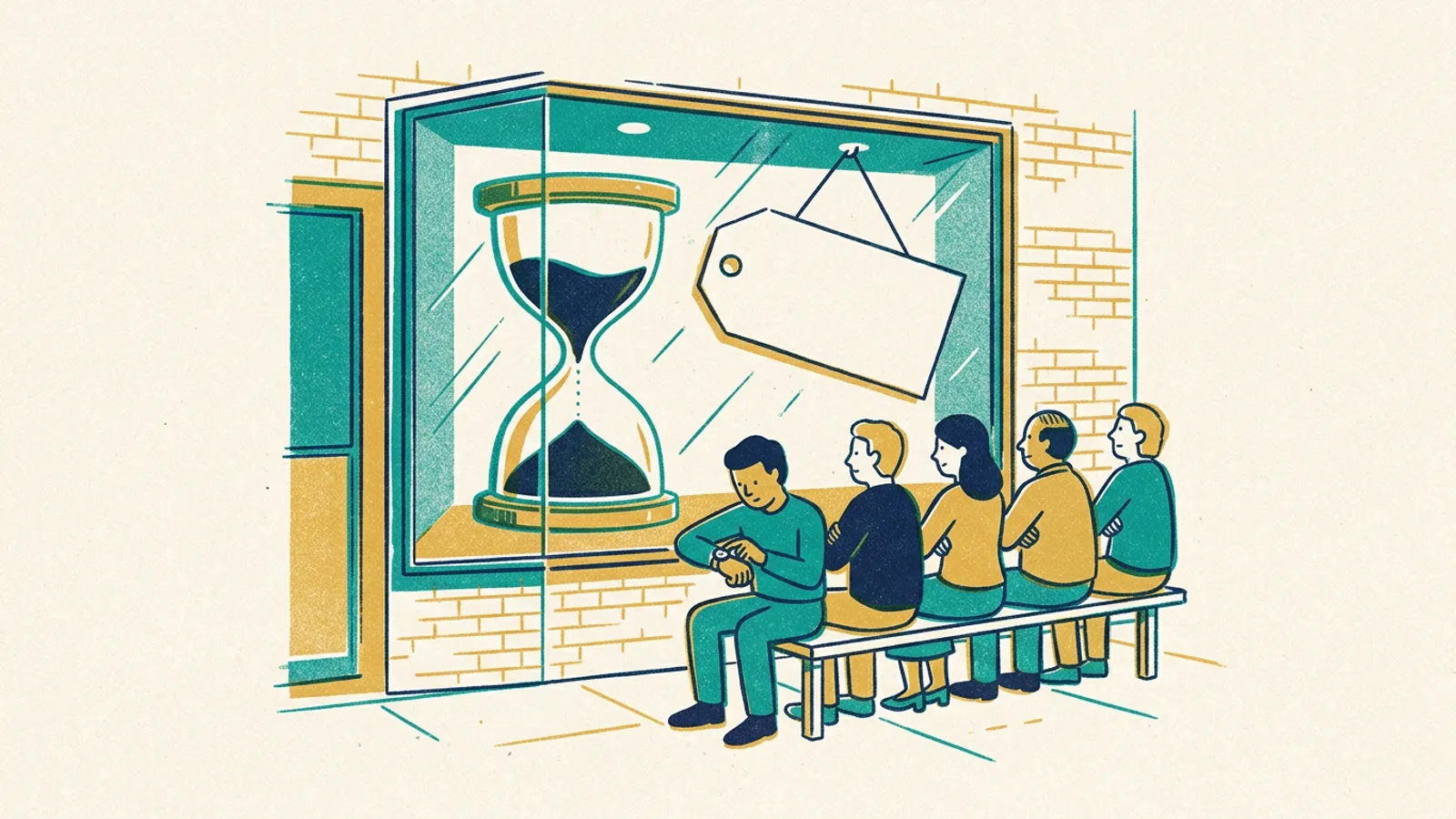
An Instagram ad rents an audience for a day. A reward builds a list you keep. Meta's help page says advertisers never get the contact details of people who saw or clicked, and a post reaches about 3% of a page's followers. A text to 500 members on trovy costs $25 and goes to people who already bought from you.
The short version
| Instagram ads and boosted posts | Your own members, on trovy | |
|---|---|---|
| Who you reach | People Meta's auction picks, most of whom have never been in | People who paid at your counter and joined by phone number |
| What you keep | Impressions and clicks in Ads Manager; no names and no numbers, on Meta's own help page | A member list you can text, with consent handled at the join |
| What it costs | A daily budget, from $5 a day on Meta's own guidance; vendor benchmarks put the 2025 average near $8 per thousand impressions | Five cents a text; 2.5% of the visit where a member redeems |
| What the message can carry | A picture and a reason to tap | A dollar reward with a date on it |
| What happens next time | Pay again | Text again, for five cents each |
| Best for | The first visit, from people who do not know you yet | The second visit, from people who do |
What does an ad buy, and what does it keep?
Meta does not publish a rate card. Its auction page explains why: "Unlike traditional auctions that pick a winner based on the highest bid, Meta's auction system looks at a number of factors equally to determine which ad is displayed." The factors it lists are the objective, the budget, the duration, the audience and the creative, with "estimated action rates and ad quality" measuring relevance. Its pricing page offers one anchor (as of October 2026): "The recommended practice is to start with at least $5 for your budget and to choose a duration over six days." The rest is benchmarks. Gupta Media, an agency publishing from its own campaigns, put its 2025 average at $8.19 per thousand impressions and a 1.77% click-through rate. Treat those as vendor data from one agency's campaigns, not a quote.
What you keep is the clearer question, and Meta answers it. From its help page on ads: "We don't share information that personally identifies you (information such as your name or email address that by itself can be used to contact you or identifies who you are) unless you give us permission." That line is about what Meta hands over, not about how it targets: Meta still uses what it knows to pick the audience, and matched customer lists exist. The point stands. You get reach, clicks and a chart. You do not get a list. The audience is Meta's, and you can rent it again tomorrow at tomorrow's price.
The free version of the feed is thinner than it looks. Socialinsider's reach study, published September 3, 2026 and drawn from 872,075 posts on brand pages between January 2025 and August 2026, puts Instagram's reach rate at 3.20% of followers. A shop with 2,000 followers reaches about 64 of them with a post. The audience itself is there: the Social Media Lab at Toronto Metropolitan University reported in 2025 that 63% of Canadian adults have an Instagram account, from a survey of 1,500 (as summarised by Librarianship.ca; the lab's own site blocks automated access). It is just not yours.
Paid creators rent the same audience with a face on it. No published Canadian rate benchmark with a stated sample could be found, so this article keeps the cost qualitative. The trust side has a number. In a Field Agent Canada survey of 2,024 shoppers published in June 2026, 5% named influencers as their most trusted source for a purchase; 55% named people they know personally. A text from a shop someone already buys from sits on the right side of that line.
The owned-list math
A boutique with 500 members. A text costs five cents, so reaching every one of them costs $25. That is about what Meta's own guidance calls the smallest sensible campaign: $5 a day for six days, or $30.
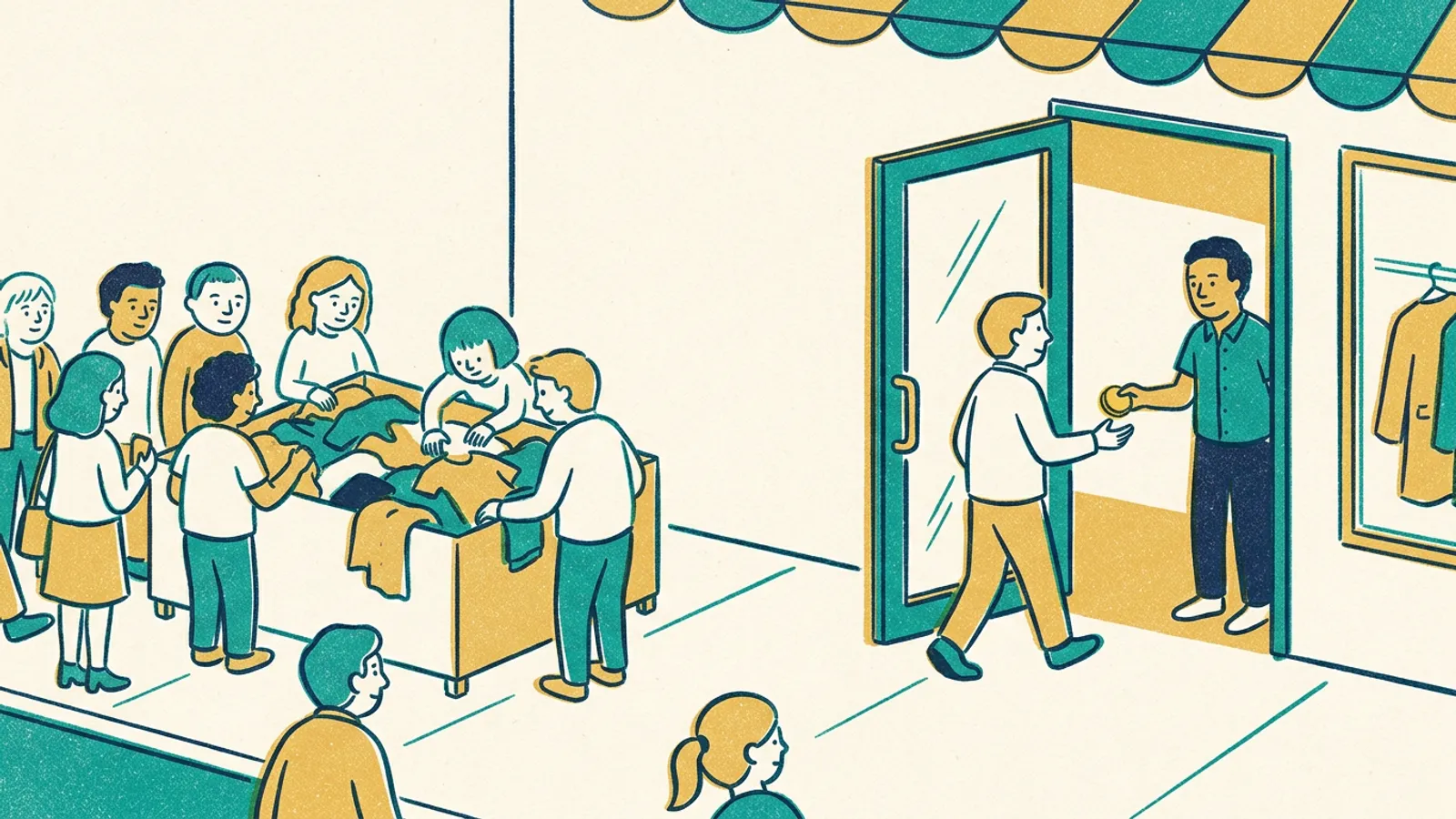
On trovy this is Text engagement: a branded text, to the list your rewards built. The text: a $10 reward, usable on $100 or more, through Sunday. Suppose one member in twenty comes in: 25 visits at $120, with $10 off each. The shop collects $2,750 and pays about $93.75 in fees (2.5% of $110 on each visit, which is $68.75, plus the $25 of texts). The $30 ad, at the vendor benchmark of about $8 per thousand impressions, buys roughly 3,700 impressions among people who may never have visited. Meta keeps every one of their names.
Two caveats, both honest. The one-in-twenty is an assumption, not a trovy figure; run your own. And the 500 members had to come from somewhere, and the ad may be what brought the first 500 through the door. That is the right division of labour, and the next section says so.
When do ads still make sense?
- The first visit. Nobody can text a stranger. An ad is how a shop that nobody knows yet gets found, and no list replaces that.
- A new neighbourhood or a second location. The audience you need is the one you do not have.
- Drops, events and seasons. When the picture is the point, the feed is the medium, and a boosted post reaches past the 3% who would have seen it anyway.
- The brand itself. A good feed is a shop window. Keep it, with or without the ad budget.
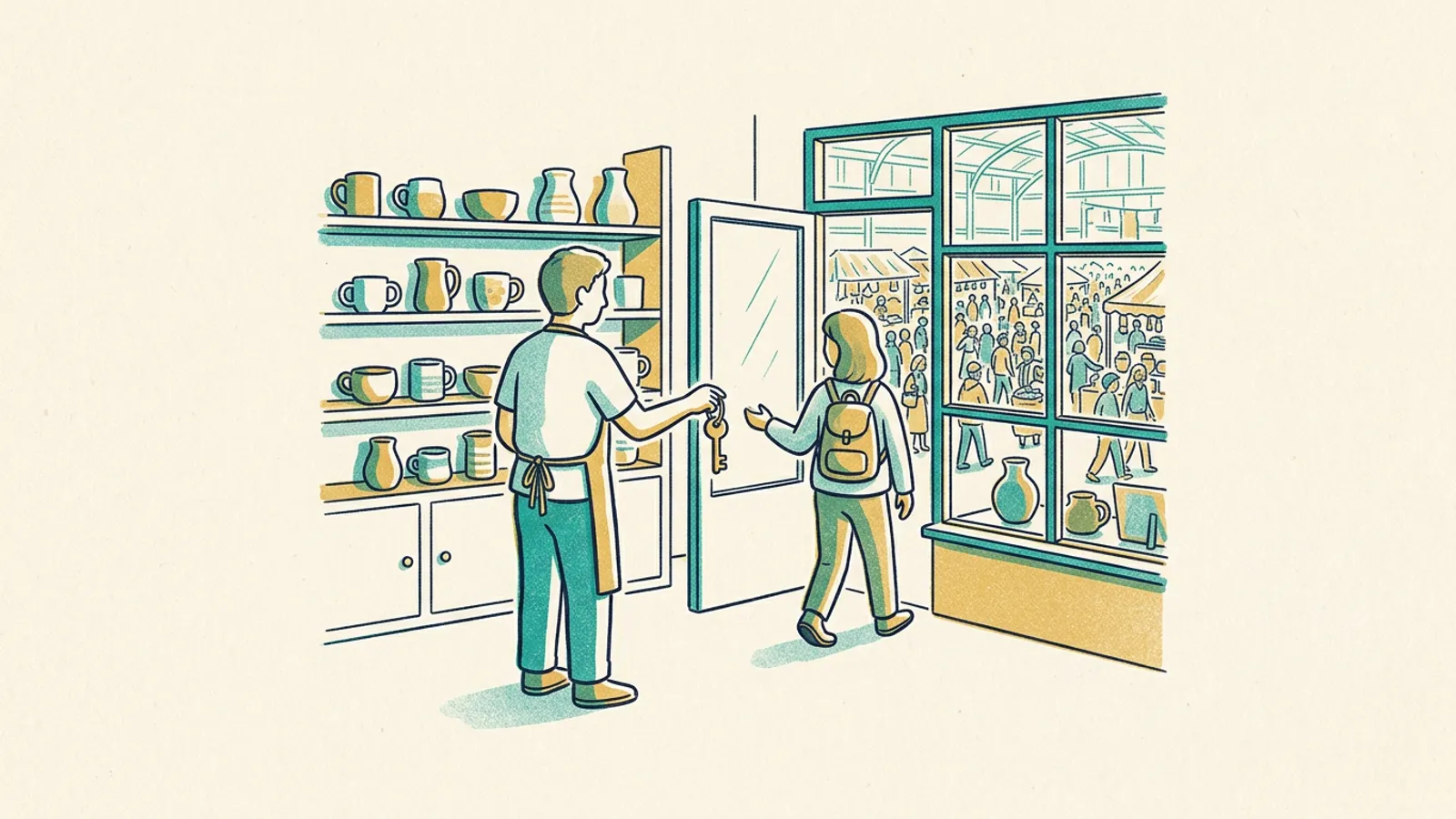
Ads and rewards are not either-or. The ad brings the first visit. The reward, and the list it builds, brings the second.
What instant rewards do instead
Loyalty shouldn't take years. trovy treats every customer like a regular from the first visit: a reward the moment they pay, a branded text, a reason to come back. trovy works through the POS you already run. A customer pays, and seconds later a text lands: "You earned $12 at [your shop]. Use it on your next purchase of $100 or more by November 18." Their phone number becomes a member record on your own list, with consent handled at the join. The list builds with every sale, not with a sign-up form, and the post finally has somewhere to send people: a reward already on their phone.
Four numbers, set once:
| Parameter | What it does | Boutique, $120 basket | Gift shop, $60 basket |
|---|---|---|---|
| Earn rate | Share of the purchase that becomes a reward | 10% | 10% |
| Cap | The most one visit can earn | $15 | $6 |
| Minimum spend | What the return purchase has to reach | $100 | $50 |
| Expiry | How long the reward lasts | 45 days | 30 days |
What it costs: start for $5, everything included for your first 5 redemption visits or your first month, whichever comes first. Then you pay only on repeat sales: 2.5% of what the member spends on the visit where they redeem, after the reward comes off, plus five cents for each text you send.
The texts stay on the right side of Canada's anti-spam law. The Government of Canada's guidance is that a purchase gives implied consent for up to two years. Every message carries the business name, a mailing address with a phone number, email or website, and an unsubscribe. trovy handles the consent at the join. An ad buys a stranger's attention for a day. A reward on day one keeps a customer's, which is the difference between an audience you rent and regulars you keep.
Related reading: Markdowns vs instant rewards for clothing retailers | trovy, Email vs text for bringing customers back | trovy, Retention vs acquisition when confidence is low | trovy.
Sources
- Meta for Business, Ads pricing
- Meta for Business, How the ad auction works
- Meta Help Centre, About Facebook Ads
- Gupta Media, Social media ads cost (2025 benchmarks)
- Socialinsider, Social media reach benchmarks (September 3, 2026)
- Librarianship.ca, summary of the Social Media Lab (Toronto Metropolitan University), The State of Social Media in Canada 2025
- Retail Insider, Consumers are losing trust in influencers, says Canadian study (June 2026)
- Government of Canada, Canada's Anti-Spam Legislation: getting consent to send email
Frequently asked questions
Meta publishes no rate card. Its guidance is to start with at least $5 a day over six days, and its auction weighs objective, budget, audience, creative and quality rather than the highest bid. One agency's benchmark put its 2025 average near $8 per thousand impressions (Gupta Media).
No. Meta's help page says it does not share information that personally identifies a person, such as a name or email address, unless the person gives permission. You get reach and clicks, not a list.
About 3.2% of followers per post on brand pages, in Socialinsider's study of 872,075 posts from January 2025 to August 2026.
Yes. A purchase gives implied consent for up to two years, and each text must carry the shop's name, contact details and an unsubscribe. On trovy, consent is handled when the member joins.
Start for $5, everything included for your first 5 redemption visits or your first month, whichever comes first. Then 2.5% of the purchase on which a member redeems, after the reward comes off, plus five cents per text. There is no setup fee and no monthly fee.
No. Use the ad for the first visit and the reward for the second. The ad fills the door; the list keeps it full.